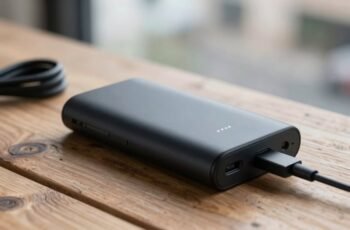
In demanding environments where dust is a constant challenge, reliable portable power solutions must go beyond basic design. We recognize that protecting electrical components from dust ingress is essential to maintaining operational integrity, safety, and longevity. By exploring the key features and best practices for dust-resistant power devices, you’ll gain insights into selecting the right solutions for your specific needs—ensuring your equipment performs consistently, even under the most adverse conditions.
Key Takeaways
- Dust-resistant portable power devices feature sealed enclosures and high IP ratings to prevent particulate ingress.
- Ruggedized power solutions are designed with impact-resistant materials and advanced sealing for harsh environments.
- Proper dust protection extends device lifespan, enhances safety, and reduces maintenance in dusty or outdoor conditions.
- Selecting power solutions with appropriate IP ratings ensures durability against dust and environmental elements.
- Regular maintenance, like cleaning filters and inspecting seals, is essential for maintaining dust protection effectiveness.
Why Dust Protection Matters for Portable Power Devices
Have you ever considered how dust infiltration can compromise the functionality and longevity of portable power devices? Dust particles can penetrate enclosures, leading to corrosion, abrasion, and overheating of internal components. These contaminants obstruct airflow and hinder cooling mechanisms, increasing the risk of thermal failure. Dust buildup on connectors and circuit boards can cause poor electrical contact, resulting in voltage drops or complete device failure. Additionally, dust can accelerate wear on moving parts, reducing overall lifespan. Protecting against dust ingress is vital for maintaining device reliability, especially in harsh environments. Proper dust resistance ensures stable operation, minimizes maintenance needs, and extends service life. In essence, dust protection is a critical design consideration for preserving the performance and durability of portable power solutions.
Key Features to Look for in Dust-Resistant Power Banks
When selecting a dust-resistant power bank, it’s essential to prioritize specific features that guarantee durability and reliable performance in challenging environments. Key attributes include robust sealing mechanisms, such as IP ratings, which quantify dust and water resistance levels. Additionally, ruggedized casings made from impact-resistant materials enhance durability. Consider units with enhanced dust filters or gaskets that prevent ingress. A high-quality vent design minimizes dust entry while maintaining heat dissipation. Ultimately, look for compact, ergonomic designs that facilitate secure handling and transport in dusty settings. These features collectively ensure the device’s resilience and operational integrity, making it suitable for demanding conditions. Prioritizing these technical elements empowers users to select power banks optimized for longevity, safety, and consistent performance in environments where dust exposure is unavoidable.
How Dust Protection Enhances Device Durability and Safety
Dust protection plays a critical role in enhancing device durability and safety by preventing particulate ingress that can compromise internal components. Dust particles can cause abrasion, clog cooling systems, and lead to overheating, ultimately reducing device lifespan. By employing effective sealing mechanisms and dust-resistant enclosures, we minimize exposure to harmful particles, ensuring consistent operation under harsh conditions. This containment prevents corrosion and contamination of sensitive electronics, maintaining ideal functionality. Additionally, dust protection reduces the risk of short circuits and electrical faults that could pose safety hazards. Consequently, devices designed with robust dust resistance exhibit improved reliability, lower maintenance needs, and safer operation in challenging environments. Implementing all-encompassing dust mitigation strategies is essential for extending device longevity and safeguarding users from potential electrical failures.
Best Types of Portable Power Solutions for Dusty Environments
To guarantee reliable power in dusty environments, selecting equipment with proven dust resistance is essential. Dust-resistant power banks and heavy-duty portable generators are designed to withstand harsh conditions while maintaining peak performance. Implementing these solutions enhances operational efficiency and device longevity in challenging settings.
Dust-Resistant Power Banks
In environments where dust accumulation is a persistent challenge, selecting the right power bank becomes critical for maintaining reliable device operation. Dust-resistant power banks are engineered with sealed enclosures and ruggedized casings to prevent particulates from infiltrating internal components. These devices typically feature IP (Ingress Protection) ratings of IP54 or higher, indicating significant resistance to dust ingress and water splashes. Construction materials include reinforced plastics and rubberized seals that withstand harsh conditions. They often incorporate dust-tight ports and gaskets to maintain integrity during use. Key features include:
- Sealed enclosures with IP ratings of IP54/IP65+
- Rugged, shock-absorbent casing materials
- Dust-tight ports with gaskets
- Corrosion-resistant connectors
- Compact, lightweight design for portability
These design elements guarantee operational reliability in dusty environments, making them essential for field professionals and outdoor enthusiasts.
Heavy-Duty Portable Generators
When operating in environments with significant dust exposure, selecting a heavy-duty portable generator is essential for guaranteeing reliable power delivery. These generators feature robust enclosures designed to resist dust ingress, often with sealed panels and specialized filters. Industrial-grade engines provide consistent performance under demanding conditions, while high-quality alternators ensure stable output for sensitive equipment. Portability is maintained through rugged wheels and reinforced handles, facilitating deployment in challenging terrains. Many models incorporate advanced cooling systems to prevent overheating in dusty environments. Additionally, durable construction materials enhance longevity, reducing maintenance needs. Choosing the right heavy-duty generator means prioritizing dust resistance, power capacity, and mobility, guaranteeing uninterrupted operation and safeguarding valuable equipment in the most adverse conditions.
Tips for Maintaining Dust-Resistant Power Devices in the Field
Maintaining dust-resistant power devices in the field requires consistent attention to sealing mechanisms and enclosure integrity. Regular inspection guarantees seals, gaskets, and filters are intact and free of damage. Promptly replace worn or compromised seals to prevent dust ingress. Keep vents and air filters clean, and verify that enclosure fasteners are secure to uphold enclosure integrity. Conduct routine cleaning with compressed air or appropriate tools, avoiding abrasive materials. Monitor device operation for signs of dust intrusion, such as overheating or unusual noise.
- Inspect seals and gaskets weekly
- Replace damaged or worn seals immediately
- Clean vents and filters regularly
- Tighten enclosure fasteners as needed
- Use compressed air for dust removal
Comparing Top Dust-Protected Portable Power Brands
Choosing the right dust-protected portable power brand requires a careful evaluation of each manufacturer’s standards for durability, sealing technology, and overall reliability. Top brands like MIL-STD-810, IP67, and IP68-rated devices set the benchmark for dust resistance. These standards guarantee devices withstand harsh environments with robust sealing and rugged construction. To illustrate, consider the following comparison:
| Brand | Sealing Standard | Durability Features |
|---|---|---|
| PowerMax Elite | IP68 | Reinforced casing, corrosion-resistant |
| DustShield Pro | IP67 | Shockproof design, sealed connectors |
| RuggedPower X | MIL-STD-810G | Drop-resistant, sealed ports |
This table highlights the technical differences, guiding informed decisions based on environmental demands.
Practical Scenarios Where Dust Protection Saves Your Day
Dust protection is essential for ensuring portable power systems perform reliably in demanding environments. On construction sites, it prevents equipment failure amid heavy debris, while outdoor events depend on it to maintain uninterrupted power. In emergencies, dust-resistant units provide stable power, even in challenging, dusty conditions.
Construction Site Durability
Have you ever considered how unprotected equipment can quickly become compromised on a construction site? Dust infiltration threatens the longevity of critical power tools and generators, risking costly downtime. Proper dust protection guarantees equipment maintains operational integrity under harsh conditions.
Key benefits include:
- Preventing dust ingress that causes mechanical wear and electrical faults
- Extending the lifespan of sensitive components
- Reducing maintenance intervals and associated costs
- Ensuring continuous power supply for critical operations
- Minimizing the risk of unexpected failures that delay projects
Implementing robust dust protection measures is essential for durability. It safeguards investments, enhances reliability, and sustains productivity in demanding construction environments. Proper shielding transforms fragile equipment into resilient assets capable of withstanding abrasive, dust-laden atmospheres.
Outdoor Event Reliability
When hosting outdoor events, ensuring uninterrupted power supply is critical, especially in dusty environments where equipment is exposed to airborne particles. Dust intrusion can cause equipment failures, reducing reliability and risking event downtime. Protective enclosures and dust-resistant portable power units are essential for maintaining operational integrity. These systems prevent particulate ingress, ensuring consistent power delivery under harsh conditions.
| Scenario | Dust Impact | Power Solution |
|---|---|---|
| Outdoor concerts | Dust clogs ventilation | Sealed enclosures with filtration |
| Sports tournaments | Airborne debris | Ruggedized, dust-resistant generators |
| Festivals | Particle accumulation | Enclosed power stations |
| Car rallies | Dust infiltration | Sealed, robust power systems |
| Construction site events | Heavy particulate exposure | Specialized dust-proof power units |
Proper dust protection maximizes reliability, minimizing maintenance and preventing unexpected outages.
Emergency Power Stability
Ever faced a situation where a sudden power outage threatened to disrupt your outdoor event? Dust protection plays a critical role in guaranteeing emergency power stability under such conditions. Contaminants like dust and debris can infiltrate power systems, causing malfunctions or complete failure. When dust protection measures are in place, they help:
- Prevent dust ingress into critical components
- Maintain consistent voltage output
- Reduce risk of short circuits
- Extend equipment lifespan
- Guarantee reliable operation during power interruptions
These safeguards are essential in scenarios like storms, high winds, or dusty environments where power sources are vulnerable. Proper dust protection not only preserves the integrity of portable power units but also guarantees continuity in emergency situations, minimizing downtime and safety risks.
Choosing the Right Dust-Resistant Power Solution for Your Needs
Selecting the appropriate dust-resistant power solution requires a thorough understanding of your specific operational environment and power demands. We analyze factors such as environmental conditions, including dust particle size and concentration, to determine the necessary ingress protection (IP) rating. For rugged outdoor or industrial sites, a higher IP rating—such as IP65 or IP67—is essential to prevent dust ingress and guarantee reliable operation. Power capacity and portability also influence our choice; compact solutions may suffice for lighter loads, while high-capacity units are necessary for demanding applications. We evaluate the durability, connectivity options, and maintenance requirements to select a system that offers ideal protection without compromising performance. Ultimately, the goal is to balance robustness with operational efficiency tailored precisely to your application’s unique needs.
Frequently Asked Questions
How Does Dust Infiltration Affect Battery Performance Over Time?
Dust infiltration degrades battery performance over time by causing internal contamination, increasing resistance, and accelerating chemical degradation. This leads to reduced efficiency, capacity loss, and potential failure, emphasizing the importance of effective dust protection for long-term reliability.
Are Dust-Resistant Power Banks Suitable for Underwater Use?
While dust-resistant power banks excel in challenging environments, they aren’t designed for underwater use. Submerging them risks water ingress, potentially damaging internal components. For underwater applications, specialized waterproof devices are essential to guarantee safety and performance.
What Certifications Indicate a Power Device Is Effectively Dust-Proof?
We look for IP (Ingress Protection) ratings, especially IP6X or IP68, which certify dust-tight integrity and protection against complete dust ingress, ensuring our power devices are effectively dust-proof and suitable for challenging environments.
Can Dust Protection Be Added to Existing Portable Power Devices?
Yes, dust protection can be added to existing portable power devices through retrofit sealing, gasket enhancements, or protective covers. We recommend consulting with manufacturers or specialists to guarantee compatibility and maintain device integrity and safety standards.
How Often Should Dust Filters or Seals Be Cleaned or Replaced?
We recommend cleaning dust filters weekly and replacing seals every six months or sooner if signs of wear or damage appear. Regular maintenance guarantees peak device performance and longevity, preventing dust ingress that can impair functionality.
Conclusion
In the battle against dust, choosing the right portable power solution is our shield and sword. With robust protection and strategic maintenance, we forge a path through the harshest environments, ensuring our devices stand resilient like unyielding fortresses. When dust tries to infiltrate, our preparedness transforms chaos into reliability, powering our endeavors uninterrupted. In this relentless pursuit of durability, dust protection becomes not just a feature, but our unwavering safeguard in the journey toward operational excellence.