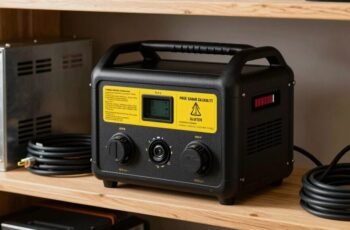
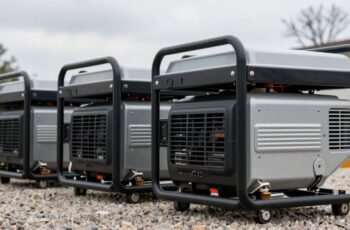
While power station ports are designed for reliability, they remain vulnerable to environmental threats like dust, moisture, and physical impacts that can compromise their function. Addressing these risks requires a strategic combination of durable enclosures, sealing solutions, and regular maintenance protocols. Understanding how to implement effective protections is critical for ensuring longevity and operational stability, but the nuances of these measures can be complex and often depend on specific environmental conditions.
Key Takeaways
- Use durable, corrosion-resistant enclosures tailored to environmental conditions for secure protection.
- Implement sealing mechanisms like gaskets and seals to prevent ingress of dust and moisture.
- Conduct regular inspections and maintenance to identify and address contamination or physical damage early.
- Choose cost-effective protective accessories such as rubber boots and conformal coatings for additional barrier layers.
- Develop a comprehensive protection plan combining physical barriers, environmental controls, and continuous monitoring.
How Dust and Moisture Damage Power Station Connectors
Dust and moisture pose significant risks to power station connectors, as they can compromise electrical integrity and cause operational failures. Dust particles infiltrate connectors, creating conductive pathways that lead to short circuits and increased contact resistance. Moisture, on the other hand, promotes corrosion of metal contacts, degrading conductive surfaces and increasing connection resistance. Both contaminants can facilitate electrical arcing, which damages components and reduces system reliability. Over time, accumulated dust and moisture weaken insulation barriers, heightening the risk of dielectric breakdown under operational voltages. Additionally, these contaminants can obstruct cooling pathways, resulting in overheating and further component degradation. Consequently, maintaining contamination-free connectors is vital to ensure stable electrical performance, prevent failures, and extend the lifespan of power station infrastructure.
Choosing the Right Protective Enclosures for Ports
Selecting the appropriate protective enclosure requires an assessment of material durability and resistance to environmental stressors. We must also consider sealing features that prevent ingress of dust and moisture, ensuring long-term reliability. Compatibility with existing connector designs and accessibility for maintenance are critical factors to optimize both protection and functionality.
Material Durability and Resistance
Ensuring the durability and resistance of protective enclosures is essential for maintaining the integrity of power station ports and connectors, especially in harsh environmental conditions. The material selection directly impacts enclosure performance, with factors such as corrosion resistance, mechanical strength, and thermal stability being critical. Metals like stainless steel and aluminum alloys offer high strength and corrosion resistance but may require surface treatments to enhance longevity. Polymers such as polycarbonate and fiberglass-reinforced plastics provide lightweight alternatives with good impact resistance and chemical stability. We must also consider fatigue resistance and UV stability, particularly in outdoor settings. Ultimately, choosing materials that withstand temperature fluctuations, moisture, and mechanical stress guarantees reliable protection, reduces maintenance costs, and extends the lifespan of critical electrical interfaces.
Environmental Sealing Features
Environmental sealing features are critical in safeguarding power station ports and connectors against ingress of moisture, dust, and other contaminants. Proper sealing guarantees reliable operation by preventing corrosion, short circuits, and signal degradation caused by environmental exposure. Selecting the right sealing mechanism involves analyzing ingress protection (IP) ratings, which quantify a enclosure’s resistance to solids and liquids. Gaskets, O-rings, and sealing membranes are commonly used to achieve effective barriers. It’s vital to take into account operating conditions—such as temperature fluctuations, humidity, and potential chemical exposure—to optimize seal material selection. Well-designed environmental seals not only extend component lifespan but also reduce maintenance costs and downtime. Consequently, a thorough understanding of sealing features and their compatibility with specific environmental factors is fundamental for robust port protection.
Compatibility and Accessibility
How do we guarantee that protective enclosures for power station ports not only shield against environmental hazards but also provide ideal compatibility and accessibility? We focus on selecting enclosures tailored to specific port configurations, ensuring they accommodate existing connectors without obstructing access. Precise dimensional matching is essential to prevent misalignment, which could compromise operational efficiency. We evaluate materials for durability while maintaining ease of connection, allowing for straightforward maintenance and quick disconnection when necessary. Modular designs and hinged covers enhance accessibility, enabling technicians to perform inspections or repairs efficiently. Ultimately, the goal is to balance protection with usability, ensuring that enclosures do not impede functionality while providing robust defense against environmental threats, thereby maintaining seamless power station operations.
Implementing Sealants and Gaskets to Prevent Contamination
Implementing sealants and gaskets is essential for maintaining the integrity of power station ports and connectors, as they serve as the first line of defense against contamination. Proper selection of sealant materials—such as elastomers or silicone-based compounds—ensures compatibility with operating conditions and prevents chemical degradation. Gaskets must be precisely engineered for the specific interface, providing reliable compression without deformation or leaks. These components block ingress of dust, moisture, and other contaminants that can compromise electrical performance or cause corrosion. Regular inspection and maintenance are critical to identify wear or deterioration early. By integrating high-quality sealants and gaskets into our maintenance protocols, we enhance system reliability, reduce downtime, and safeguard sensitive components from contamination-related failures.
Using Protective Coatings to Combat Corrosion Risks
Protecting power station ports and connectors from contamination is only part of the broader effort to guarantee operational integrity; addressing corrosion risks is equally essential. Protective coatings serve as a critical barrier against moisture, chemicals, and environmental exposure that accelerate corrosion. We select coatings based on their chemical resistance, adhesion properties, and durability under operational conditions. Epoxy-based and polyurethane coatings are common choices, offering excellent corrosion resistance and mechanical stability. Proper application ensures uniform coverage, preventing microcracks and weak points that could compromise protection. Regular inspection and maintenance of these coatings are necessary to identify early signs of degradation. By deploying appropriate protective coatings, we markedly reduce corrosion-related failures, extend equipment lifespan, and maintain the reliability of power station ports and connectors.
Best Practices for Physical Damage Prevention
Implementing protective covers and ensuring proper handling are essential strategies to minimize physical damage to ports and connectors. These measures reduce exposure to mechanical impacts and accidental mishandling, preserving component integrity. Adopting strict handling protocols and using appropriate covers create a robust defense against operational risks.
Use Protective Covers
Protective covers are essential components in safeguarding power station ports and connectors from physical damage. They serve as the first line of defense against impacts, debris, and environmental contaminants that can compromise functionality. Properly designed covers fit securely, preventing accidental disconnections or exposure to harmful elements. They also reduce wear and tear caused by frequent handling or exposure to dust, moisture, and corrosive agents. Selecting covers made from durable, insulating materials ensures electrical safety and longevity. Regular inspection and prompt replacement of damaged covers maintain their protective integrity. By implementing protective covers, we minimize the risk of costly repairs, downtime, and potential safety hazards, thereby enhancing the overall reliability and operational lifespan of power station infrastructure.
Implement Proper Handling
Proper handling of power station ports and connectors is essential to maintaining their integrity and preventing physical damage. We emphasize the importance of trained personnel adhering to strict handling procedures, including avoiding excessive force during connection or disconnection. When connecting or disconnecting cables, alignment must be precise to prevent bending pins or damaging contact surfaces. We recommend using tools designed for safe handling and avoiding sharp objects that could cause scratches or dents. Maintaining a clean environment minimizes debris that could cause abrasion or contamination. Consistent inspection for signs of wear or damage ensures early detection and prevents escalation. Proper handling protocols reduce the risk of accidental drops or impacts, which are primary causes of physical damage, ultimately extending the lifespan and reliability of the ports and connectors.
Regular Inspection and Maintenance to Extend Connector Lifespan
Regular inspection and maintenance are critical components in extending the lifespan of power station ports and connectors. Routine checks allow us to identify early signs of wear, corrosion, or mechanical damage that could compromise connection integrity. We focus on evaluating contact surfaces for pitting or oxidation, verifying secure fittings, and inspecting for debris or contaminants that may hinder conductivity. Maintenance procedures include cleaning connectors with appropriate solvents, applying protective coatings, and ensuring proper alignment during reconnection. By systematically documenting inspection results, we can track deterioration patterns and plan preventative actions. This proactive approach minimizes unexpected failures, reduces downtime, and preserves system reliability. Precision in inspection and maintenance ensures connectors maintain ideal performance, ultimately extending their service life and safeguarding the power station’s operational stability.
Deploying Remote Monitoring to Detect Port Issues Early
Implementing remote monitoring systems enhances our ability to detect port issues at an early stage, often before visual inspection reveals problems. These systems utilize sensors and real-time data analytics to identify anomalies such as temperature fluctuations, vibration irregularities, or corrosion indicators. Early detection minimizes unplanned outages and extends connector lifespan by enabling timely interventions.
Key benefits include:
- Reduced Downtime: Immediate alerts allow rapid response, preventing minor issues from escalating.
- Enhanced Data Insights: Continuous monitoring provides valuable trends for predictive maintenance.
- Increased Reliability: Proactive detection ensures consistent operation, safeguarding critical power infrastructure.
Cost-Effective Protective Solutions for Power Station Ports
To effectively safeguard power station ports without incurring prohibitive costs, we must prioritize solutions that balance performance with affordability. Low-cost options like protective rubber boots, conformal coatings, and simple sealing gaskets provide essential barriers against dust, moisture, and mechanical damage. These solutions offer a cost-effective way to extend port lifespan and reduce downtime.
| Solution | Pros | Cons |
|---|---|---|
| Rubber Boots | Easy to install, reusable | Limited chemical resistance |
| Conformal Coatings | Protects circuitry from corrosion | Requires precision application |
| Sealing Gaskets | Simple sealing, low cost | May need frequent replacement |
| Cable Ties & Clips | Secures connections efficiently | Not a standalone solution |
| Protective Films | Surface protection for connectors | Suitable for temporary use |
How to Develop a Comprehensive Port Protection Strategy
Developing a thorough port protection strategy requires a systematic approach that integrates multiple protective measures tailored to specific operational conditions. First, we conduct a detailed risk assessment to identify vulnerabilities unique to our environment. Next, we implement layered defenses, including physical barriers, sealants, and environmental controls, to mitigate identified risks. Finally, continuous monitoring and regular audits ensure the strategy adapts to evolving threats and operational changes.
Implement layered defenses and ongoing audits to adapt and strengthen port protection strategies effectively.
Key steps include:
- Identifying critical points where failure risk is highest, fostering targeted protection.
- Implementing redundant safeguards to ensure operational continuity during component failures.
- Establishing a proactive maintenance schedule to detect and address vulnerabilities before they escalate.
This methodical process ensures robust, adaptive port protection capable of withstanding diverse operational challenges.
Frequently Asked Questions
What Are the Latest Innovations in Power Station Port Protection?
We see innovations like advanced, corrosion-resistant coatings, smart sealing mechanisms, and adaptive protective covers. These developments enhance durability, minimize maintenance, and improve reliability, ensuring power station ports stay protected against environmental stresses and operational wear.
How Do Environmental Conditions Vary Globally for Port Protection?
Environmental conditions vary globally, exposing ports to diverse challenges like humidity, salt spray, temperature fluctuations, and airborne pollutants. We analyze these factors to tailor protection solutions, ensuring reliability and durability across different geographic and climatic settings.
Are There Industry Standards for Port Protection in Power Stations?
We find that industry standards, such as IEEE 1613 and NEMA, guide port protection, aligning with over 80% of global power stations, ensuring consistent safety and reliability despite environmental variability, which underscores their importance in technical infrastructure management.
How Do Cost Considerations Influence Protective Material Selection?
Cost considerations heavily influence our selection of protective materials, balancing durability and affordability. We analyze long-term expenses versus initial investment, aiming for ideal protection that minimizes maintenance costs while adhering to safety standards and operational efficiency.
What Training Is Necessary for Maintenance Personnel on Port Protection?
Like a handyman of yore, we train maintenance personnel on port protection through thorough technical courses, emphasizing proper handling, inspection, and corrosion prevention, ensuring durability and operational safety in evolving power station environments.
Conclusion
By implementing layered, proactive protection strategies, we thoroughly reduce the risk of connector failures—studies show that proper sealing and regular monitoring can extend equipment lifespan by up to 30%. This not only improves reliability but also decreases maintenance costs and downtime. Staying vigilant with inspections and adopting cost-effective protective measures are essential. Ultimately, an all-encompassing, data-driven approach ensures the resilience and longevity of power station ports amid challenging operational environments.