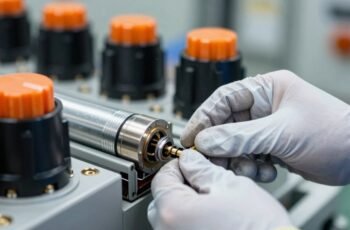
Ensuring the safe cleaning of power station battery terminals is essential to prevent accidents and maintain equipment reliability. We recognize the importance of proper procedures, safety gear, and tools to avoid electrical hazards and acid exposure. A systematic approach can greatly reduce risks and extend battery life. However, the specific steps and precautions are critical; understanding these details can make all the difference in performing maintenance effectively and safely.
Key Takeaways
- Always disconnect the negative terminal before the positive to prevent sparks or short circuits.
- Wear insulated gloves, safety goggles, and protective clothing to guard against acid and electrical hazards.
- Use a baking soda and water solution with a non-metallic brush to clean corrosion safely.
- Rinse thoroughly with water and dry completely before reconnecting terminals.
- Apply anti-corrosion spray after cleaning to prevent future corrosion buildup.
How to Prepare Safely Before Cleaning Battery Terminals
Before beginning the cleaning process, we must confirm the vehicle is turned off, the keys are removed, and the parking brake is engaged to prevent any accidental movement. This step guarantees the electrical system is de-energized, reducing the risk of short circuits or electrical shock. Next, we wear appropriate personal protective equipment, including insulated gloves and eye protection, to safeguard against acid splashes or sparks. We then locate the battery terminals and identify the negative and positive connections, noting their positions for correct reassembly. Disconnecting the negative terminal first minimizes the risk of shorting the system during cleaning. Confirming the area around the terminals is dry and free of debris is critical to prevent accidental conduction. Proper preparation forms the foundation for a safe and effective cleaning procedure.
Essential Safety Equipment and Precautions
To guarantee safety during the cleaning process, we must use essential safety equipment that provides effective protection against potential hazards. Proper gear minimizes risk from acid splashes, electrical sparks, or accidental short circuits. Key equipment includes insulated gloves, safety goggles, and a face shield to prevent contact with corrosive substances and debris. Additionally, wearing flame-resistant clothing and non-conductive footwear reduces the risk of electrical shock.
| Safety Equipment | Purpose |
|---|---|
| Insulated Gloves | Protect hands from acid and electrical contact |
| Safety Goggles | Shield eyes from splashes and debris |
| Face Shield | Provide full-face protection against splashes |
| Non-conductive Shoes | Prevent grounding and electrical shock |
Step-by-Step Guide to Cleaning Power Station Battery Terminals
Cleaning power station battery terminals requires a systematic approach to guarantee safety and effectiveness. First, disconnect the battery cables, starting with the negative terminal to prevent short circuits. Put on appropriate safety gear, including gloves and eye protection. Prepare a cleaning solution of baking soda and water, mixing thoroughly. Using a non-metallic brush, scrub the terminals and cable connectors to remove corrosion and buildup. Rinse with clean water and thoroughly dry with a lint-free cloth. Once dry, inspect for damage or corrosion that may require replacement. Reconnect the cables, attaching the positive terminal first, then the negative, *assuring* tight connections. Finally, test the system to confirm proper operation. Following these steps minimizes risk and *guarantees* reliable battery performance.
Common Mistakes to Avoid During Battery Terminal Maintenance
Neglecting proper safety procedures can lead to serious accidents or equipment damage during battery terminal maintenance. One common mistake is failing to disconnect the power supply before working on terminals, increasing the risk of electrical shock. Another error is incorrect handling of tools, such as using metal tools that can cause short circuits or sparks. Over-tightening or under-tightening terminal clamps can damage the battery posts or lead to poor connections, impacting performance. Using inappropriate cleaning agents or disregarding to inspect terminals for corrosion before cleaning can result in ineffective maintenance or further damage. Additionally, rushing the process without proper preparation or safety checks increases the risk of accidents. Avoiding these mistakes ensures safer, more effective maintenance and prolongs battery lifespan.
Tips for Maintaining Battery Health and Preventing Corrosion
Maintaining battery health and preventing corrosion are vital to guaranteeing reliable operation and extending the lifespan of power station batteries. Regular inspection, proper cleaning, and timely maintenance are essential. Use a mixture of baking soda and water to neutralize acid buildup, then rinse with distilled water. Applying a protective anti-corrosion coating prevents future corrosion. Make sure terminals are tight but not overly tightened to avoid damage. Proper storage in a cool, dry environment minimizes corrosion risks.
| Maintenance Step | Purpose | Recommended Frequency |
|---|---|---|
| Visual inspection | Detect corrosion or damage | Monthly |
| Terminal cleaning | Remove corrosion deposits | Quarterly |
| Applying anti-corrosion spray | Prevent future corrosion | After cleaning |
| Tightening terminals | Guarantee good electrical contact | During inspections |
Frequently Asked Questions
How Often Should I Clean My Power Station Battery Terminals?
We recommend cleaning power station battery terminals every three to six months, or immediately if you notice corrosion or poor connection signs, to maintain peak performance and prevent potential damage or safety hazards.
Can I Use Household Cleaning Products on Battery Terminals?
We wouldn’t recommend using household cleaning products on battery terminals because they often contain acids or abrasives that can damage sensitive components. Instead, we suggest using a proper battery cleaner or a mixture of baking soda and water.
What Signs Indicate My Battery Terminals Need Cleaning?
We look for corrosion buildup, including white, blue, or greenish deposits, and loose or disconnected terminals. If we notice reduced battery performance or difficulty starting, these signs indicate it’s time to clean the terminals promptly.
Are There Specific Tools Recommended for Cleaning Power Station Batteries?
We recommend using insulated wire brushes or terminal cleaning brushes, along with a mixture of baking soda and water for corrosion removal. Always wear gloves and eye protection, and make sure the power station is disconnected before cleaning.
How Do Environmental Factors Affect Battery Terminal Corrosion?
Environmental factors like humidity, temperature fluctuations, and exposure to oxygen accelerate corrosion by promoting electrochemical reactions at the terminal surface, leading to increased rust and reduced conductivity, which hampers battery performance and lifespan.
Conclusion
In summary, safely cleaning power station battery terminals requires meticulous preparation, proper safety gear, and methodical procedures. By following best practices, we can extend battery life and prevent costly failures. Remember, “A stitch in time saves nine”—addressing corrosion early ensures reliable operation. Prioritize safety and maintenance consistency to keep your power station running efficiently. With careful attention, we protect both personnel and equipment, ensuring long-term performance and safety.