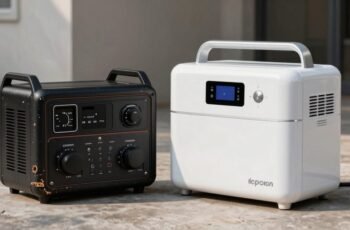
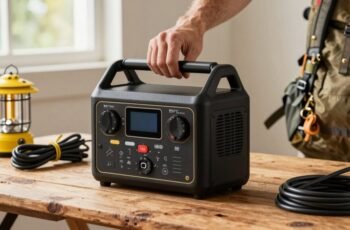
When selecting a backup power system, understanding the strengths, limitations, and operational details of options like portable generators, UPS units, and solar backups is essential. We recognize that each solution offers unique advantages suited to specific needs, but choosing the right one requires careful analysis of capacity, cost, and safety considerations. To guarantee continuous, reliable power during outages, it’s vital to evaluate these factors systematically before making a decision.
Key Takeaways
- Compare different backup power systems based on capacity, runtime, cost, and suitability for specific operational needs.
- Evaluate the pros and cons of portable generators, UPS units, and solar backup systems.
- Consider installation complexity, maintenance requirements, and safety practices for each system.
- Assess how well each solution integrates with existing infrastructure and supports critical loads.
- Balance initial investment, ongoing expenses, and reliability to select the most effective backup power option.
How Do Backup Power Solutions Work and When Do You Need Them?
Have you ever wondered how backup power systems maintain continuous operation during outages? These systems rely on energy storage or generation units that activate instantly when mains power fails. Generators, UPS units, and solar backup systems are designed to detect power loss through automatic transfer switches or control modules, which then switch the load seamlessly. This process prevents interruption in critical operations by supplying power instantaneously or within seconds. Backup solutions are crucial when continuous power is essential, such as in data centers, medical facilities, or manufacturing plants. They function to bridge the gap until mains power restores or an alternative power source is engaged. Properly specified, they guarantee reliability, minimize downtime, and protect equipment from damage caused by power fluctuations or outages.
Comparing Portable Generators, UPS, and Solar Backup Systems
When selecting a backup power solution, understanding the distinct advantages and limitations of portable generators, uninterruptible power supplies (UPS), and solar backup systems is essential. Portable generators provide high wattage output, suitable for powering multiple appliances over extended periods, but they require fuel, generate noise, and emit emissions, which may limit their use indoors or in quiet environments. UPS units deliver immediate, clean power with minimal delay, ideal for sensitive electronics; however, they have limited capacity and runtime, making them unsuitable for long-term outages. Solar backup systems harness renewable energy, offering silent, emission-free operation and scalability through battery banks; yet, their effectiveness depends on sunlight availability, initial installation complexity, and higher upfront costs. Each system presents unique trade-offs aligned with specific power needs and operational contexts.
Key Factors to Consider When Choosing a Backup Power System
When selecting a backup power system, we focus on power source compatibility to guarantee seamless integration with existing infrastructure. We evaluate runtime and capacity to meet critical load demands reliably, while also considering cost and ongoing maintenance for long-term sustainability. These factors collectively determine the system’s effectiveness and suitability for specific backup requirements.
Power Source Compatibility
Selecting a backup power system requires careful consideration of its compatibility with existing power sources, as mismatched configurations can lead to inefficiencies or system failures. To guarantee ideal operation, evaluate these key factors:
- Voltage and Frequency Alignment: Confirm the backup system matches your grid’s voltage and frequency standards to prevent equipment damage.
- Plug and Outlet Compatibility: Verify the physical connector types and socket configurations align with current infrastructure.
- Power Quality and Signal Compatibility: Ensure the backup source provides stable, clean power without introducing voltage fluctuations or harmonic distortions.
- Integration Capabilities: Assess whether the system supports seamless connection with existing transfer switches, inverters, or generators to avoid synchronization issues.
Addressing these points guarantees reliable, efficient backup power tailored to your specific electrical environment.
Runtime and Capacity
How long a backup power system can sustain critical loads depends largely on its runtime and capacity, which are fundamental metrics for ensuring reliable operation during outages. Runtime refers to the duration a system can supply power before depletion, directly influenced by its energy storage or fuel supply. Capacity, measured in kilowatt-hours (kWh) or VA, indicates the total energy available for use. Accurate assessment of these metrics requires understanding the load profile and power consumption of critical equipment. A system with insufficient capacity or runtime risks premature shutdown, compromising system availability. Conversely, oversized systems may incur unnecessary costs without proportional benefits. Consequently, balancing capacity and runtime based on precise load calculations is essential for optimizing backup performance and ensuring continuous operation during power interruptions.
Cost and Maintenance
Cost and maintenance are critical factors that directly influence the total ownership and operational efficiency of a backup power system. To evaluate these, consider:
- Initial purchase price, which varies considerably between generators and battery systems.
- Installation costs, including site preparation and integration with existing infrastructure.
- Scheduled maintenance, essential for reliability, encompassing filter changes, diagnostics, and component testing.
- Long-term operational costs, such as fuel consumption, battery replacements, and potential repairs.
Analyzing these components helps in estimating lifecycle costs and planning budgets effectively. Systems with lower upfront costs may incur higher maintenance expenses, while more expensive units might offer reduced operational demands. A precise cost assessment ensures ideal performance without compromising long-term affordability.
Assessing Cost, Capacity, and Runtime: Which Option Fits Your Budget?
When evaluating backup power options, understanding the interplay between cost, capacity, and runtime is essential for making an informed choice that aligns with your budget. Cost analysis involves initial purchase price, installation expenses, and ongoing maintenance fees, which directly affect total cost of ownership. Capacity, measured in watt-hours or kilowatt-hours, determines how much power the system can deliver during an outage, impacting the duration of backup. Runtime depends on both capacity and load; higher capacity generally yields longer runtime under a given load. Balancing these factors requires assessing your critical load requirements against budget constraints. A cost-effective solution maximizes capacity and runtime within your financial limits, ensuring reliable backup without overspending. Precise calculations and understanding system specifications are crucial steps for an ideal decision.
Ease of Use and Maintenance: What to Expect From Different Backup Power Options
Selecting a backup power system requires considering not only its technical specifications but also how easy it is to operate and maintain over time. Different options vary considerably in their user-friendliness and upkeep demands.
Choosing a backup power system involves balancing technical features with ease of use and maintenance needs.
In general:
- Generators demand regular fuel refilling, oil changes, and periodic system testing for reliability.
- Uninterruptible Power Supplies (UPS) typically require minimal maintenance but need battery replacements every few years.
- Solar-powered systems involve routine inspections of panels and batteries but are largely automated.
- Fuel cells necessitate specialized maintenance, including handling of hazardous materials and system calibration.
Understanding these maintenance requirements helps guarantee system longevity and operational readiness, aligning with practical usability expectations.
Safety Tips and Best Practices for Using Backup Power Devices
Ensuring proper device handling and conducting regular safety checks are critical for maintaining backup power system integrity. We emphasize strict adherence to manufacturer instructions and routine inspections to identify potential hazards early. Implementing these best practices helps prevent equipment failure and guarantees user safety during operation.
Proper Device Handling
Handling backup power devices with care is essential to maintain safety and guarantee peak performance. Proper handling minimizes risk of damage, ensures longevity, and maximizes functionality. We recommend the following best practices:
- Read the manufacturer’s instructions thoroughly before initial use or maintenance to understand specific handling requirements.
- Avoid dropping or exposing devices to shock, which can compromise internal components and reduce reliability.
- Disconnect devices during maintenance or when not in use to prevent accidental activation or electrical hazards.
- Use appropriate PPE such as insulated gloves and eye protection when connecting, disconnecting, or troubleshooting units, especially in high-capacity systems.
Adhering to these practices ensures safety, preserves device integrity, and maintains peak operational performance.
Regular Safety Checks
Regular safety checks are critical to maintaining the reliable operation of backup power devices and preventing potential hazards. Routine inspections ensure batteries, connections, and internal components are functioning correctly, reducing the risk of failure during an outage. We recommend verifying battery voltage levels and inspecting for corrosion or leaks, which can compromise performance or cause safety issues. Checking for loose wiring or damaged connectors helps prevent short circuits and electrical fires. Additionally, testing the device’s operational status through scheduled load tests confirms readiness. Maintaining detailed logs of each safety check facilitates trend analysis and early detection of deterioration. Adhering to manufacturer guidelines for inspection intervals guarantees consistent safety standards. Ultimately, disciplined and precise safety checks safeguard personnel, extend device lifespan, and ensure dependable backup power when needed most.
Which Backup Power Solution Is Right for Your Home or Business?
Determining the appropriate backup power solution for your home or business requires a clear understanding of your specific energy needs, budget constraints, and available infrastructure. To decide effectively, consider these factors:
- Power capacity: Assess your essential loads to select a system that can sustain critical devices without excess capacity.
- Type of system: Decide between portable generators, standby generators, or uninterruptible power supplies (UPS), based on reliability and response time.
- Installation complexity: Evaluate whether your infrastructure supports permanent systems or if portable solutions suit your mobility needs.
- Budget and operational costs: Analyze initial investment versus long-term expenses, including fuel or maintenance requirements.
A precise evaluation of these factors ensures the chosen backup power aligns with your operational priorities and infrastructure capabilities.
Frequently Asked Questions
How Long Do Backup Power Systems Typically Last Before Needing Replacement?
Backup power systems typically last between 3 to 10 years, depending on usage, maintenance, and technology. Regular inspections and timely component replacements are essential to guarantee reliability, as degraded components can compromise system performance and lifespan.
Can Backup Power Solutions Be Integrated With Renewable Energy Sources?
Yes, backup power solutions can integrate with renewable energy sources through hybrid systems, combining batteries or generators with solar or wind power, enhancing sustainability, reliability, and grid independence, while optimizing energy storage and reducing reliance on fossil fuels.
What Are Common Troubleshooting Issues With Backup Power Devices?
We often encounter troubleshooting issues like inverter failures, battery degradation, and connection faults in backup power devices. Regular diagnostics, proper maintenance, and monitoring system alerts help us identify problems early and guarantee reliable, uninterrupted power supply.
How Do Weather Conditions Affect Backup Power System Performance?
Weather conditions directly impact backup power systems through temperature fluctuations affecting battery efficiency, moisture causing corrosion, and wind or storms damaging infrastructure. We analyze these factors to optimize system resilience, ensuring reliable operation under diverse environmental stresses.
Are There Government Incentives for Installing Backup Power Systems?
Yes, government incentives exist, including tax credits, grants, and rebates, aimed at promoting backup power system adoption; these programs vary by region and eligibility criteria, often requiring technical compliance and environmental impact assessments for qualification.
Conclusion
In steering the world of backup power solutions, we see each option as a puzzle piece fitting into your unique operational landscape. By carefully analyzing capacity, cost, and safety, we can assemble a reliable system that acts as a sturdy anchor during outages. Just as a finely tuned engine runs smoothly, a well-chosen backup solution guarantees your operations continue seamlessly—transforming potential chaos into calm, controlled resilience.