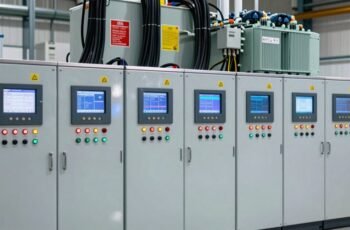
Imagine a commercial building adjusting its HVAC systems automatically based on real-time occupancy and weather data to optimize energy use. This is the core of smart energy management systems, which integrate sensors, IoT devices, and data analytics to enhance efficiency and reduce waste. Understanding how these systems function, the technologies involved, and the challenges they face is essential for effective implementation—details that could considerably impact your approach to energy optimization.
Key Takeaways
- SEMS utilize real-time sensor data and analytics to optimize energy consumption and reduce waste.
- They incorporate IoT devices and communication protocols for seamless device integration and control.
- Key selection criteria include scalability, compatibility, and analytics capabilities for effective energy management.
- Benefits include improved efficiency, automation, cost savings, and support for sustainability goals.
- Challenges such as infrastructure integration and data security are addressed through phased implementation and security measures.
How Do Smart Energy Management Systems Work?
How do smart energy management systems operate to optimize energy usage? These systems utilize real-time data collection from a network of sensors and meters embedded throughout the infrastructure. This data is processed through sophisticated algorithms that analyze consumption patterns, detect inefficiencies, and predict future demand. By continuously monitoring variables such as temperature, occupancy, and device performance, SEMS dynamically adjust energy distribution to reduce waste. They employ control modules to optimize load balancing, prioritize essential functions, and coordinate with external energy sources like renewables or the grid. This integration enables precise, automated decision-making that enhances overall efficiency. The systems’ core strength lies in their ability to translate granular data into actionable insights, ensuring energy is used effectively, costs are minimized, and sustainability goals are advanced.
Key Technologies Behind SEMS Innovation
What technological advancements drive innovation in smart energy management systems (SEMS)? At the core are sensor networks and real-time data analytics, enabling precise monitoring of energy consumption and system performance. Advanced IoT devices facilitate seamless communication among appliances, meters, and control units, creating an integrated ecosystem. Machine learning algorithms analyze historical data, optimizing energy distribution and predicting demand fluctuations. Additionally, advanced communication protocols like Zigbee, Z-Wave, and LPWAN guarantee reliable, low-latency data transfer in complex environments. Cloud computing platforms aggregate vast datasets, supporting centralized control and scalable analytics. These technologies collectively enhance SEMS responsiveness, efficiency, and adaptability, paving the way for smarter, more sustainable energy solutions. Our focus on these innovations continues to push the boundaries of what SEMS can achieve.
How to Choose the Right SEMS for Your Needs
Selecting the right smart energy management system (SEMS) requires a careful assessment of your specific energy usage patterns and operational goals. We analyze factors like load variability, peak demand periods, and automation needs. Understanding your infrastructure complexity guides system scalability. Compatibility with existing equipment and data integration capabilities also influence choice. Consider the level of control and real-time analytics needed. Budget constraints and ROI expectations further refine options.
| Criteria | Considerations |
|---|---|
| Energy Patterns | Consumption peaks, seasonal variability |
| System Scalability | Future expansion, modular design |
| Integration & Compatibility | Existing hardware, data platforms |
| Control & Analytics | Real-time monitoring, automation features |
| Budget & ROI | Initial investment, long-term savings |
Benefits of Implementing a Smart Energy Management System
Implementing a smart energy management system offers tangible benefits that enhance operational efficiency and reduce costs. First, it enables precise energy consumption monitoring, allowing for data-driven adjustments that optimize usage patterns. Second, automation capabilities facilitate real-time response to fluctuating demand, minimizing waste and peak load charges. Third, advanced analytics identify inefficiencies and predict maintenance needs, preventing costly downtime. Fourth, integration with existing building systems creates a cohesive platform for all-encompassing energy control. These benefits collectively improve resource allocation, lower operational expenses, and support sustainability goals. By leveraging detailed insights and automation, organizations can achieve a higher level of energy performance, ensuring long-term cost savings and environmental compliance.
Common Challenges and How to Overcome Them
Despite the clear advantages of smart energy management systems, organizations often encounter several practical challenges during deployment and operation. Integration complexity with existing infrastructure can cause data silos and hinder real-time analytics, requiring meticulous system design and phased implementation strategies. Data security and privacy pose significant risks, demanding robust encryption protocols and strict access controls to prevent breaches. Additionally, legacy equipment compatibility issues necessitate hardware upgrades or retrofit solutions, increasing initial costs. Resistance to change from staff can impede adoption, which we address through thorough training and stakeholder engagement. Finally, maintaining system reliability and accuracy requires continuous calibration, monitoring, and updates. By anticipating these challenges and applying targeted technical solutions—such as modular architecture, cybersecurity measures, and change management—we can optimize system performance and ensure long-term success.
Frequently Asked Questions
How Secure Are Smart Energy Management Systems From Cyber Threats?
We believe smart energy management systems are increasingly secure through advanced encryption, multi-factor authentication, and continuous monitoring, but vulnerabilities persist. We recommend rigorous cybersecurity protocols, regular updates, and thorough risk assessments to mitigate potential cyber threats effectively.
What Is the Typical ROI Timeframe for SEMS Investments?
Typically, we see a return on investment for SEMS within 1 to 3 years, driven by energy savings, operational efficiencies, and demand response benefits; actual ROI depends on system size, energy costs, and implementation scale.
Can SEMS Integrate With Existing Renewable Energy Sources?
Yes, SEMs can seamlessly integrate with existing renewable sources, with studies showing up to 85% compatibility, enhancing grid stability and efficiency through advanced algorithms that optimize energy flow, storage, and demand response in real time.
How Do SEMS Adapt to Changing Energy Regulations?
We program SEMs to automatically update their compliance algorithms, ensuring adherence to evolving regulations through real-time data analysis, flexible rule sets, and seamless software updates, therefore maintaining peak operational efficiency while meeting legal and environmental standards.
What Training Is Required for Effective SEMS Operation?
We require exhaustive training in system functionalities, data analysis, and troubleshooting, including ongoing education on evolving regulations and technological updates, ensuring effective SEM operation through technical proficiency, analytical skills, and adaptive problem-solving capabilities.
Conclusion
In essence, adopting a SEMS is like tuning a complex orchestra—each component must work harmoniously for peak performance. While the technology offers significant efficiency gains and sustainability benefits, it also demands meticulous planning to overcome integration and security challenges. By understanding key innovations and aligning them with organizational needs, we can harness these systems’ full potential. As the saying goes, “A chain is only as strong as its weakest link”—so thorough implementation and continuous refinement are crucial.