Imagine a battery as a finely tuned engine, where small missteps in maintenance can accelerate wear and diminish performance. Over time, improper handling, temperature fluctuations, and poor storage can notably shorten its lifespan, affecting reliability during critical moments. To guarantee your power station remains dependable, understanding the nuances of battery management becomes essential. We’ll explore key strategies that help maximize longevity, but the most effective practices require careful attention to detail—details worth mastering for sustained performance.
Key Takeaways
- Maintain charge levels between 20% and 80% and avoid deep discharges to reduce battery wear.
- Store batteries at moderate temperatures (~20°C) and keep humidity low to prevent internal damage.
- Use proper ventilation and cooling measures to manage heat during operation and charging.
- Regularly inspect connections, electrolyte levels, and temperature to detect early signs of deterioration.
- Utilize a battery management system (BMS) to prevent overvoltage, undervoltage, and thermal stress.
How Batteries Degrade Over Time and Why It Matters
Batteries in power stations degrade over time primarily due to chemical and physical changes within their cells, which reduce their capacity and efficiency. This degradation involves the breakdown of active materials, formation of solid electrolyte interphase layers, and electrode corrosion. These processes diminish the ability to store and deliver energy effectively, leading to decreased runtime and increased internal resistance. Over cycles, the electrolyte’s stability declines, resulting in capacity fade, while physical alterations such as electrode expansion and contraction cause microcracks. Understanding these mechanisms is critical because it directly impacts the operational lifespan and reliability of power station batteries. Recognizing how degradation occurs allows us to develop strategies to mitigate capacity loss and optimize performance, ensuring more sustainable and cost-effective energy storage solutions over time.
Proper Charging Habits to Extend Battery Life
Implementing proper charging habits is fundamental to minimizing capacity fade and extending the operational lifespan of power station batteries. Consistent, controlled charging prevents stress on the battery’s chemical structure, reducing capacity loss over time. We should avoid frequent full discharges and overcharging, as these induce high voltage stress and accelerate degradation. Maintaining charge levels between 20% and 80% optimizes cycle life by minimizing deep cycling. Additionally, using a high-quality charger with precise voltage regulation avoids voltage spikes that can damage cells. Fast charging, while convenient, introduces thermal and electrical stress that can degrade the battery quickly; thus, slower, regulated charging processes are preferable. By adhering to these principles, we preserve battery capacity and ensure a longer, more reliable operational lifespan for power station batteries.
Managing Battery Temperature for Optimal Performance
Effective temperature management is critical for maintaining battery health and performance. We recommend regularly monitoring operating temperatures, ensuring proper ventilation, and avoiding exposure to extreme heat, which can accelerate degradation. Implementing these measures helps sustain ideal conditions and prolongs battery lifespan.
Monitor Temperature Regularly
Since temperature fluctuations directly impact battery chemistry and lifespan, consistent monitoring is essential for ideal performance. Elevated or fluctuating temperatures can accelerate degradation, while low temperatures may impair charge efficiency. Regular monitoring allows us to identify thermal anomalies promptly, enabling targeted interventions. The following table summarizes critical temperature thresholds:
| Temperature Range | Effect on Battery | Monitoring Action |
|---|---|---|
| 20°C – 25°C | Best | Maintain consistent checks |
| Above 30°C | Accelerated aging | Implement cooling measures |
| Below 0°C | Reduced capacity | Use insulation or heating |
Maintain Proper Ventilation
Maintaining proper ventilation is essential for regulating battery temperature and guaranteeing ideal performance. Efficient airflow prevents heat buildup, which can accelerate degradation and reduce lifespan. To optimize ventilation, we recommend the following:
- Confirm adequate spacing around the battery enclosure to promote airflow and prevent heat accumulation.
- Install ventilation fans or exhaust systems that actively move hot air away from the battery cells.
- Regularly inspect ventilation pathways for obstructions or dust buildup that could impede airflow.
Avoid Extreme Heat
Have you considered how extreme temperatures can accelerate battery degradation and impair performance? Elevated heat increases internal resistance, leading to faster capacity loss and potential thermal runaway. Maintaining ideal temperature ranges is essential for longevity.
| Temperature Range | Effect on Battery | Recommended Action |
|---|---|---|
| Below 0°C | Reduced capacity | Insulate or move to warmer environment |
| 0°C–25°C | Optimal performance | Keep in climate-controlled space |
| 25°C–35°C | Accelerated aging | Limit exposure and avoid direct sunlight |
| Above 35°C | Severe degradation | Use cooling systems or relocate |
This table highlights how temperature influences battery health, emphasizing the importance of thermal management for maximizing lifespan.
Choosing the Right Environment for Your Power Station
How does the environment impact the lifespan of your power station battery? External conditions directly influence chemical stability, charge retention, and overall durability. Proper environmental management minimizes degradation factors, extending operational life.
External conditions affect battery life by impacting chemical stability, charge retention, and durability. Proper management extends lifespan.
Consider these critical factors:
- Temperature Control: Maintain moderate temperatures (around 20-25°C) to prevent thermal stress and chemical breakdown.
- Humidity Levels: Keep humidity low to avoid corrosion and moisture-related damage, which can compromise internal components.
- Ventilation and Placement: Position your power station in well-ventilated areas, away from direct sunlight or drafts, to reduce temperature fluctuations and prevent overheating.
Optimizing these environmental variables ensures stable chemical reactions, reduces wear, and prolongs battery performance considerably.
Techniques for Efficient Battery Usage and Discharge
Effective battery management begins with understanding how to optimize usage and discharge cycles. We recommend avoiding deep discharges that push batteries to near-zero capacity, as this accelerates degradation. Instead, maintaining partial discharges—ideally between 20% and 80%—reduces stress and prolongs lifespan. Utilizing smart load balancing ensures that current draw remains steady, preventing sudden voltage drops that strain the cells. Implementing controlled charging protocols, such as maintaining voltage within recommended limits and avoiding rapid charging when unnecessary, minimizes thermal stress and chemical wear. Additionally, scheduling usage during periods of stable power demand prevents unnecessary cycling, which can degrade battery health. These techniques collectively maximize discharge efficiency, reduce wear, and extend operational longevity for power station batteries.
Regular Maintenance Checks and Monitoring Battery Health
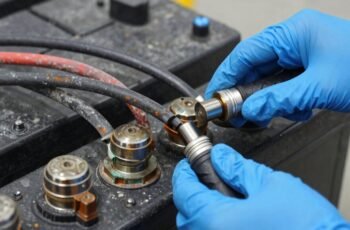
Regular maintenance checks are essential for ensuring the longevity and reliability of power station batteries, as they allow us to detect early signs of degradation or malfunction. Consistent monitoring helps identify issues before they escalate, reducing downtime and repair costs.
Key practices include:
- Voltage and Current Monitoring: Regularly measuring these parameters helps detect abnormal fluctuations indicative of internal cell issues.
- Electrolyte Level and Specific Gravity Checks: Ensuring electrolyte levels are ideal and specific gravity remains within recommended ranges prevents capacity loss.
- Temperature Surveillance: Monitoring battery temperature prevents overheating, which accelerates degradation and shortens lifespan.
Implementing these measures with precise data collection enables us to make informed maintenance decisions, maximizing battery health and extending operational life.
The Impact of Storage Practices on Battery Longevity
Proper storage practices play a critical role in determining battery longevity, as improper conditions can accelerate degradation and reduce overall lifespan. Temperature fluctuations markedly impact chemical stability; storing batteries in high temperatures accelerates electrolyte breakdown and capacity loss, while low temperatures can cause internal resistance increases. Maintaining a consistent, moderate temperature—ideally around 20°C—minimizes stress on the cells. Additionally, state of charge during storage influences degradation rates; batteries should be stored at approximately 40-60% charge to prevent capacity fade caused by over-discharge or overcharge conditions. Proper sealing to prevent moisture ingress also preserves internal components, reducing corrosion risks. Overall, controlled environment parameters—temperature, charge level, and humidity—are essential for optimizing long-term battery health and ensuring maximum lifespan in power station applications.
Recognizing Signs of Battery Wear and When to Replace
Monitoring the health of power station batteries is essential to prevent unexpected failures and maintain peak performance. Recognizing early signs of deterioration allows timely intervention, extending battery life and operational reliability. Key indicators include:
- Reduced Capacity: Noticeable drops in charge retention or shorter runtime between charges point to capacity loss due to active material degradation.
- Voltage Fluctuations: Unstable or inconsistent voltage readings suggest internal resistance increases or cell imbalance.
- Increased Self-Discharge: Batteries losing charge faster when idle indicate sulfation or deterioration of electrode surfaces.
Tips for Maximizing Battery Lifespan During Power Outages
During power outages, maximizing the lifespan of your power station batteries requires strategic management to prevent premature degradation. We recommend maintaining a partial state of charge—ideally between 20% and 80%—to minimize stress on the cells. Avoid deep discharges or full charges during outages, as these can accelerate wear. Utilizing a battery management system (BMS) can enhance charging cycles and prevent overvoltage or undervoltage conditions. Monitoring temperature is critical; keeping batteries within the manufacturer’s recommended range reduces thermal stress, which greatly affects longevity. Also, limit high-load usage when possible, as sustained high current drains generate excess heat and strain the battery. Regularly inspecting connections and ensuring proper ventilation helps maintain ideal operating conditions, ultimately extending the battery lifespan during critical power disruptions.
Frequently Asked Questions
How Often Should I Replace My Power Station Battery?
We typically recommend replacing our power station batteries every 2 to 3 years, depending on usage and maintenance. Regular capacity testing helps identify performance decline, ensuring peak reliability and preventing unexpected failures during critical power needs.
Can Solar Charging Extend My Battery’s Lifespan?
Certainly, solar charging gently sustains your battery’s health, reducing stress from frequent discharges. We find that consistent, moderate solar input enhances lifespan by maintaining ideal charge cycles, ultimately extending your power station’s operational longevity and efficiency.
What Are the Best Storage Conditions for Long-Term Battery Preservation?
We recommend storing batteries in a cool, dry environment, ideally between 50-77°F (10-25°C), with a partial charge of around 50-70%. Keep them away from direct sunlight and extreme temperature fluctuations for maximum preservation.
How Do Different Battery Chemistries Impact Lifespan?
Different battery chemistries are like diverse ecosystems; lithium-ion offers high energy density but shorter lifespan, while lead-acid endures longer but with reduced capacity. We analyze these trade-offs to optimize power station longevity and efficiency.
Are There Any Brand-Specific Tips for Battery Maintenance?
Yes, we recommend following brand-specific maintenance guidelines, regularly updating firmware, and using authorized accessories. These practices guarantee ideal battery performance, prevent voiding warranties, and extend lifespan by aligning with manufacturer-tested procedures and specifications.
Conclusion
In conclusion, maintaining ideal battery health is critical, as studies show that batteries stored and operated correctly can last up to 50% longer. By adhering to proper charging, temperature management, and maintenance practices, we greatly reduce degradation rates. Implementing these strategies guarantees reliability during outages and extends overall lifespan, ultimately maximizing your power station’s efficiency and cost-effectiveness. Our proactive approach to battery management is essential for sustained performance and long-term sustainability.