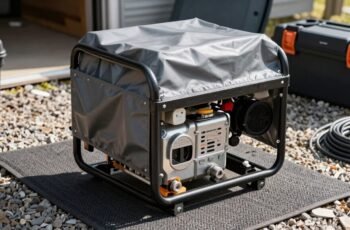
Properly storing a power station is vital for safety and longevity, and it requires careful planning and attention to detail. We recognize the significance of following specific guidelines to prevent damage, guarantee accessibility, and maintain peak performance. By adhering to best practices, we can minimize risks and extend the lifespan of your equipment. To do so effectively, it’s important to take into account environmental factors and maintenance routines—topics that are essential yet often overlooked.
Key Takeaways
- Store in a cool, dry, well-ventilated area away from heat sources and flammable materials.
- Fully charge the power station to 80-100% before storage and keep the battery charge between 40-60%.
- Use weatherproof enclosures and elevate the unit to prevent moisture contact and environmental damage.
- Regularly inspect for physical damage, corrosion, leaks, or abnormal performance signs.
- Disconnect external devices, clean vents, and seek professional help for any irregularities or safety concerns.
Why Proper Storage Matters for Your Power Station
Proper storage of your power station is essential to guarantee its longevity, safety, and reliable performance. Correct storage minimizes exposure to environmental factors such as moisture, extreme temperatures, and dust, which can degrade internal components and compromise functionality. Maintaining a stable temperature prevents thermal stress and battery deterioration, ensuring ideal charge cycles and capacity retention. Proper storage also reduces the risk of electrical faults or short circuits caused by corrosion or contamination. Additionally, securely storing the unit prevents physical damage from impacts or accidental drops, preserving structural integrity. By adhering to precise storage practices, we assure that the power station remains operational when needed, extending its service life, enhancing safety, and maintaining peak performance over time.
Choosing the Right Storage Location for Safety and Accessibility
Selecting an appropriate storage location is essential to guarantee safety and ease of access for your power station. Perfect placement minimizes risk and assures quick retrieval during emergencies. Ideal locations are well-ventilated, dry, and away from heat sources or flammable materials.
| Criteria | Considerations | Examples |
|---|---|---|
| Ventilation | Prevents heat buildup, reduces corrosion | Basement, utility room |
| Accessibility | Allows quick access without obstructions | Near exit, unobstructed corner |
| Environmental Safety | Protects from moisture and extreme temperatures | Elevated shelf, climate-controlled closet |
Preparing Your Power Station Before Storing It Long-Term
Before storing your power station long-term, it’s essential to prepare it properly to guarantee longevity and safety. Begin by fully charging the unit to 80-100%, as this prevents capacity loss and battery degradation during storage. Next, disconnect all external devices and remove any attached accessories to prevent corrosion and electrical issues. Inspect the power station for dust, dirt, or corrosion; clean surfaces with a dry, lint-free cloth if necessary. Make certain vents are unobstructed to allow airflow and prevent internal moisture buildup. Store in a cool, dry environment with stable temperature conditions, avoiding extreme heat or cold that can damage internal components. Verify that the power station is in a secure, upright position to prevent mechanical stress or accidental damage during storage.
Best Practices for Battery Maintenance During Storage
To maintain the battery’s health during storage, we should regularly monitor its charge level and adjust it as necessary. Ideally, keep the charge between 40% and 60% to prevent capacity loss or over-discharging. Consistent monitoring ensures early detection of voltage drops or anomalies. We recommend performing the following during storage:
Regularly monitor and keep battery charge between 40% and 60% to ensure optimal health during storage.
- Measure voltage weekly with a multimeter to verify proper charge.
- Rebalance the charge if it deviates from the optimal range.
- Disconnect the battery from the power station if long-term storage exceeds one month.
Maintaining a stable, optimal charge minimizes capacity fade and extends battery lifespan. Avoid deep discharges or maintaining a full charge for extended periods, as both can stress the battery and accelerate degradation. Regular, precise maintenance is critical for preserving battery performance.
How to Protect Your Power Station From Environmental Damage
To prevent environmental damage, we must effectively shield the power station from moisture and excess humidity. Additionally, protecting it from direct sunlight minimizes material degradation and thermal stress. Implementing proper enclosures and positioning is essential for maintaining ideal device integrity.
Shield From Moisture
Moisture exposure can considerably compromise a power station’s performance and longevity, making effective shielding essential. To prevent damage, we must guarantee proper protection against humidity and water ingress. Use sealed, weatherproof enclosures designed for electrical equipment, and verify their IP (Ingress Protection) ratings to confirm suitability for damp environments. Additionally, applying desiccants inside storage containers helps absorb residual moisture. Proper storage practices include elevating the power station on non-conductive stands to avoid ground moisture contact. Regularly inspecting seals and enclosures maintains their integrity, preventing water penetration. Key points include:
- Guaranteeing enclosures have appropriate IP ratings
- Using desiccants inside storage containers
- Elevating the power station to avoid contact with ground moisture
Prevent Sun Damage
Since prolonged exposure to direct sunlight can accelerate material degradation and impair the functionality of a power station, implementing effective protective measures is essential. We recommend storing the unit in a shaded, covered location to minimize UV exposure. Using a UV-resistant cover or enclosure can further shield sensitive components from harmful rays. Position the power station away from reflective surfaces that may intensify sunlight exposure. Regular inspections should be conducted to check for signs of UV-related deterioration, such as discoloration or material brittleness. Additionally, applying UV-protective coatings on exposed surfaces can extend lifespan. Ensuring these precautions helps maintain the power station’s structural integrity and operational efficiency, reducing the risk of damage caused by environmental factors associated with sun exposure.
Safety Precautions When Handling and Storing Your Power Station
Handling and storing your power station securely is essential to guarantee safety and maintain peak performance. Proper precautions minimize risks of electrical hazards, physical damage, and degradation. When handling, always wear insulated gloves and avoid contact with water or conductive materials. During storage, make sure the device is placed in a cool, dry environment, away from direct sunlight, extreme temperatures, and moisture. To prevent accidental activation or short circuits, disconnect all cables and store the power station in a non-conductive container. Additionally, follow these safety practices:
- Regularly inspect for physical damage or corrosion
- Keep the power station out of reach of children and unauthorized persons
- Use proper protective gear during maintenance or handling tasks
Tips for Organizing and Securing Your Power Station Storage Area
To guarantee your power station remains in ideal condition, organizing and securing the storage area is essential. Proper arrangement minimizes damage risk and ensures quick access for maintenance. We recommend categorizing components by function, size, and power capacity. Use labeled containers and shelving to maintain order and prevent accidental disconnection or damage. Securing the area with lockable storage prevents unauthorized access and tampering. Adequate ventilation reduces heat buildup, extending the lifespan of batteries and electronics. Regular inspections help identify potential hazards early.
| Storage Tip | Implementation |
|---|---|
| Label Components | Use clear, durable tags |
| Use Lockable Containers | Prevent unauthorized access |
| Maintain Ventilation | Install exhaust fans if needed |
| Categorize by Size & Function | Organize for easy retrieval |
| Conduct Routine Inspections | Check for damage or hazards |
Troubleshooting Common Storage Issues and When to Seek Help
We need to be vigilant for storage malfunctions such as battery leaks or corrosion, which can compromise safety. Recognizing safety hazards like overheating or unusual odors is critical for prompt action. When these issues arise, consulting qualified professionals guarantees proper diagnosis and resolution.
Identifying Storage Malfunctions
How can you tell if your power station’s storage system is malfunctioning? Indicators include unexpected voltage fluctuations, abnormal temperature increases, or irregular charging cycles. These signs suggest the system isn’t operating within safe parameters. It’s essential to observe for:
- Persistent error messages or alerts on the control interface
- Sudden drops in stored capacity or inconsistent power output
- Unusual noises, such as buzzing or clicking, during operation
Detecting these issues early can prevent further damage or safety hazards. Regularly inspecting the physical condition of the battery modules and connections is critical. If these signs persist despite troubleshooting, professional assessment and repair are necessary to ensure safe and reliable storage system performance.
Recognizing Safety Hazards
Recognizing safety hazards in power station storage systems is essential for preventing accidents and equipment damage. We must monitor for signs of overheating, such as unusual warmth or swelling of batteries, which indicate thermal stress. Corrosion or corrosion-related leaks in terminals suggest compromised insulation and potential short circuits. Damaged or frayed wiring increases the risk of electrical faults, while improperly sealed enclosures can lead to moisture ingress, risking corrosion or shorting. Unusual odors, smoke, or sparks are immediate red flags signaling imminent failure. Regular visual inspections help identify these hazards early. If any irregularities are detected, it’s critical to halt operation and consult qualified personnel to assess and address the issue before further use, ensuring safety and system integrity.
When to Consult Experts
Determining when to consult experts is essential for maintaining the safety and reliability of power station storage systems. If you encounter persistent or unexplained issues, professional evaluation is necessary. Common signs include abnormal temperature fluctuations, inconsistent power output, or visible damage to storage components. Ignoring these symptoms can lead to system failure or safety hazards.
Seek expert help when:
- Troubleshooting basic problems without resolution
- Diagnosing complex electrical or thermal anomalies
- Addressing potential safety violations or damage
Engaging professionals ensures proper diagnosis, adherence to safety standards, and prevents escalation of issues. Relying on expert intervention minimizes risks, prolongs system lifespan, and guarantees safe storage practices.
Frequently Asked Questions
Can I Store My Power Station Outdoors Safely?
Yes, you can store your power station outdoors if you place it in a dry, shaded area protected from extreme temperatures and moisture. We recommend covering it with a weatherproof material and periodic inspections to guarantee safety and functionality.
How Often Should I Check the Power Station During Storage?
We check our power station monthly during storage—”an ounce of prevention is worth a pound of cure.” Regular inspections guarantee ideal battery health, proper function, and early detection of potential issues, maintaining safety and performance over time.
Is It Safe to Store the Power Station With Other Electronic Devices?
Storing the power station with other electronic devices is generally safe if the devices are well-separated, protected from physical damage, and stored in a controlled environment. We guarantee proper insulation and avoid exposure to moisture or extreme temperatures.
What Temperature Range Is Ideal for Storing a Power Station?
We recommend storing your power station at a temperature between 0°C and 25°C (32°F to 77°F). Maintaining this range prevents battery degradation, minimizes capacity loss, and guarantees ideal performance and longevity of the device during storage periods.
How Do I Dispose of a Power Station Safely if It’s Damaged?
When a power station is damaged, we carefully disconnect it, avoid puncturing batteries, and transport it to authorized recycling facilities. We adhere strictly to local hazardous waste regulations, ensuring safe, environmentally responsible disposal without risking leaks or fires.
Conclusion
By following these meticulous storage practices, we guarantee our power stations remain steadfast guardians of energy, ready to spring into action when needed. Proper care transforms what could be a dormant, vulnerable asset into a resilient sentinel, extending its lifespan like a well-tuned engine. Think of it as tending a delicate yet essential instrument—regular maintenance and careful handling keep it humming smoothly, safeguarding your power supply and peace of mind for years to come.