Maintaining portable generators properly is essential to prevent costly failures and guarantee safety during operation. We recognize the importance of following precise procedures for routine checks, proper placement, and fuel handling. Small oversights can lead to considerable damage or safety hazards, which is why adherence to best practices is critical. To achieve reliable performance, it’s important to identify common pitfalls and implement effective maintenance strategies—details that can greatly extend your generator’s lifespan and operational safety.
Key Takeaways
- Follow manufacturer guidelines for load capacity to prevent overload and overheating.
- Store and handle fuel properly to avoid contamination and fuel system damage.
- Place the generator outdoors, at least 20 feet from structures, to ensure proper ventilation and reduce carbon monoxide risk.
- Perform regular maintenance, including oil, air filter, and spark plug checks, to keep the generator in optimal condition.
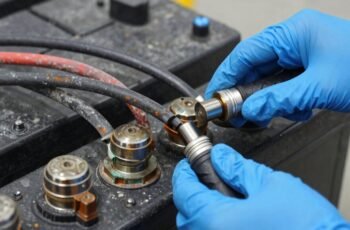
- Ensure all connections and cables are secure and free from corrosion to prevent electrical damage.
How to Properly Maintain Your Portable Generator to Prevent Damage
Regular maintenance is essential to guarantee your portable generator operates reliably and avoids costly damage. Consistent checks of oil levels are critical; low oil can cause engine seizure, so verify oil levels before each use and change oil according to manufacturer specifications. Inspect and replace air filters regularly to maximize airflow and prevent internal contamination. Spark plugs should be cleaned or replaced periodically to maintain efficient combustion. Conduct visual inspections for corrosion, loose connections, or worn components, and address these issues promptly. Keep fuel systems clean by draining old fuel and inspecting fuel lines for cracks or leaks. Regularly run the generator under load to secure proper operation, and store it in a dry, protected environment when not in use. This disciplined approach minimizes wear and prolongs lifespan.
Common Mistakes That Lead to Generator Damage and How to Avoid Them
Many common mistakes during generator operation can cause significant damage, often due to neglect or improper handling. To minimize risk, avoid these errors:
- Overloading the generator beyond its rated capacity, which strains components and causes overheating.
- Running the generator without proper ventilation, leading to heat buildup and potential damage.
- Neglecting regular maintenance, such as ignoring oil levels and air filter condition, which impairs performance.
- Storing fuel improperly or letting it sit for extended periods, risking fuel degradation and carburetor clogging.
Best Practices for Safe Fuel Storage and Handling
Proper fuel storage and handling are essential for maintaining generator performance and preventing safety hazards. We recommend storing fuel in approved, clearly labeled containers made of compatible materials to prevent leaks and deterioration. Keep containers in a cool, dry, well-ventilated area, away from heat sources or open flames, to reduce fire risk. Always fill the generator outdoors or in a well-ventilated space to minimize vapor accumulation. Before refueling, turn off the generator and allow it to cool to prevent ignition of vapors. Use a funnel to avoid spills and clean up any fuel drips immediately. Regularly inspect storage containers for leaks or corrosion, replacing them as needed. Following these best practices guarantees safe handling, reduces contamination risks, and prolongs fuel quality.
Ensuring Proper Ventilation and Placement During Operation
To guarantee safe and efficient operation, we must carefully position portable generators in well-ventilated areas that prevent the buildup of hazardous exhaust gases. Proper placement minimizes the risk of carbon monoxide poisoning and reduces fire hazards. When positioning a generator, consider these factors:
- Place the unit outdoors, at least 20 feet away from structures, vents, and windows.
- Ensure the exhaust points away from occupied areas to prevent gas intrusion.
- Keep the generator on a flat, stable surface to avoid tipping or uneven operation.
- Maintain clear ventilation pathways around the generator, avoiding obstructions that could inhibit airflow.
Adhering to these principles guarantees effective ventilation, prevents dangerous gas accumulation, and promotes the longevity of the equipment during operation.
Regular Inspection and Troubleshooting Tips to Keep Your Generator Running Smoothly
Regular inspections are essential to maintaining your generator’s performance and safety. We recommend checking fuel levels, oil condition, and coolant levels before each use, ensuring all are within manufacturer-recommended ranges. Examine the air filter for dirt or debris, replacing it if necessary, to prevent airflow restrictions. Inspect spark plugs for signs of wear or carbon buildup, replacing them if needed. Check cables and connections for corrosion or looseness, tightening or replacing as required. Troubleshoot abnormal noises, vibrations, or difficulty starting by examining underlying components such as the carburetor or exhaust system. Regularly cleaning the exterior prevents dust accumulation that could impair cooling. Adhering to these inspection and troubleshooting practices minimizes downtime, extends equipment lifespan, and maintains ideal generator performance.
Frequently Asked Questions
How Long Can a Portable Generator Run Continuously Without Damage?
We recommend running portable generators continuously for about 8-10 hours, then allowing a cool-down period of at least 30 minutes to prevent overheating and damage. Regular maintenance and proper load management are essential for longevity.
What Environmental Factors Can Harm My Generator During Storage?
Environmental factors like moisture, extreme temperatures, and dirt can harm your generator during storage. We recommend storing it in a dry, sheltered area, maintaining proper ventilation, and protecting it from dust and temperature fluctuations to prevent damage.
Are There Specific Weather Conditions to Avoid When Using a Generator?
We avoid using our generator in extreme weather conditions like heavy rain, snow, or high winds, as these can cause electrical shorts, corrosion, or mechanical failure. Proper operation in controlled environments guarantees safety and longevity.
How Do I Prevent Electrical Overloads and Power Surges?
We prevent electrical overloads and surges by using a transfer switch, not exceeding the generator’s wattage capacity, plugging in essential devices sequentially, and installing surge protectors to safeguard connected equipment from voltage spikes effectively.
Can Improper Grounding Cause Damage to My Portable Generator?
Improper grounding can definitely cause damage to your portable generator, leading to electrical faults or shocks. We recommend ensuring proper grounding through a dedicated grounding rod and following manufacturer guidelines to protect your equipment and maintain safety standards.
Conclusion
By adhering to these maintenance and safety practices, we can keep our portable generators running like well-oiled machines, avoiding unnecessary damage. Proper care, attentive inspections, and mindful placement act as the essential cogs in this reliable system, ensuring longevity and safety. Think of your generator as a trusted partner—neglect it, and it falters; nurture it, and it performs flawlessly. Proactive measures today safeguard your power needs tomorrow.