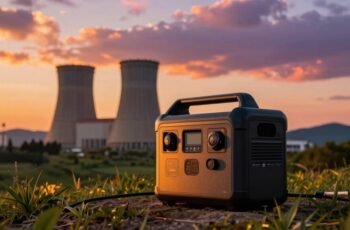
Imagine a fuel tank that not only measures how much energy it holds but also indicates how long your generator can run at a given load—that’s the essence of kWh in portable generators. Understanding this metric allows us to evaluate energy capacity and operational efficiency more precisely. Without grasping what kWh truly represents, selecting the right generator becomes guesswork. Let’s explore how this measurement influences performance and decision-making, so you can optimize your power solutions effectively.
Key Takeaways
- kWh measures the total energy a generator can produce over time, combining power and operational hours.
- It indicates how long a generator can run before refueling, aiding in capacity planning.
- Higher kWh capacity allows for extended use and better load management during power needs.
- kWh differs from wattage, which shows immediate power, and surge capacity, which handles short-term spikes.
- Understanding kWh helps in selecting a generator that meets specific energy and runtime requirements effectively.
What Does a Kilowatt-Hour Really Mean in Portable Generators?
What does a kilowatt-hour (kWh) truly represent in the context of portable generators? It measures the total amount of energy a generator can supply over time. Specifically, it reflects the product of power output (in kilowatts) and operating duration (in hours). For example, a generator rated at 1 kW running for one hour produces 1 kWh of energy. This metric helps us understand the capacity of a generator’s fuel consumption and overall energy delivery. It’s a practical way to gauge how long a generator can operate at a given power level before refueling or shutdown. In essence, the kWh provides a standardized measure to compare different generators’ energy output over time, emphasizing both power and duration rather than instantaneous capacity alone.
How Is kWh Different From Wattage and Surge Capacity?
How does kWh differ from wattage and surge capacity in evaluating a portable generator’s performance? KWh measures total energy output over time, reflecting long-term capacity, whereas wattage indicates immediate power availability. Surge capacity, on the other hand, measures the generator’s ability to handle short-term power spikes, crucial for starting high-demand appliances.
Key distinctions include:
Wattage measures immediate power; surge capacity handles short-term spikes; kWh reflects total energy over time.
- Wattage assesses continuous power output at a specific moment.
- Surge capacity indicates maximum short-term power, often exceeding rated wattage.
- kWh quantifies overall energy delivered over a defined period, essential for understanding runtime and efficiency.
Understanding these metrics helps in selecting a generator aligned with specific power needs, balancing immediate demands with sustained energy delivery.
Why kWh Matters When Choosing a Portable Generator
Understanding kWh is essential because it reflects a generator’s energy storage capacity, which directly affects how long it can power devices without recharging. It also impacts power usage efficiency, influencing operational costs over time. By prioritizing kWh, we can make more informed decisions that optimize long-term cost savings and device performance.
Energy Storage Capacity
Why does the energy storage capacity, measured in kilowatt-hours (kWh), hold such significance when selecting a portable generator? It determines how long the generator can sustain power output before refueling or recharging. This metric directly influences operational efficiency and suitability for specific applications. A higher kWh capacity indicates greater energy reserves, allowing extended use without interruption. Key considerations include:
- Duration of power supply for critical devices or activities
- Frequency of refueling or recharging, impacting convenience and logistics
- Compatibility with load demands, ensuring the generator can meet operational requirements without overload
Understanding these factors helps us evaluate whether a generator’s energy storage capacity aligns with our power needs, ensuring reliability and efficiency in varied scenarios.
Power Usage Efficiency
Determining the power usage efficiency of a portable generator hinges on understanding how effectively it converts stored energy into usable electrical power. Efficiency is primarily measured by the ratio of the generator’s actual output (kWh) to its total energy input over a given period. This conversion process depends on factors such as engine design, inverter technology, and load conditions. A higher efficiency indicates less energy waste and more reliable power delivery for the same fuel consumption. Analyzing this ratio allows us to compare different models objectively, ensuring *ideal* performance for specific needs. Precise efficiency metrics help prevent overestimating a generator’s capabilities and guide us toward selecting equipment that maximizes energy utilization, ultimately supporting better operational planning and resource management.
Long-Term Cost Savings
Long-term cost savings from a portable generator are directly influenced by its energy output measured in kilowatt-hours (kWh). Higher kWh capacity indicates greater efficiency over time, reducing the need for frequent refueling or battery replacements. When selecting a generator, consider these factors:
- Operational Efficiency: Generators with higher kWh outputs typically operate more efficiently, lowering fuel consumption per unit of energy generated.
- Maintenance Costs: Increased kWh capacity often correlates with lower maintenance expenses per kilowatt-hour, enhancing overall savings.
- Lifecycle Value: A generator with optimized kWh output provides better long-term value, minimizing replacement frequency and maximizing return on investment.
Understanding kWh helps in evaluating cost-effectiveness, ensuring you choose a model that delivers reliable power while minimizing ongoing expenses.
How to Calculate Your Power Needs Using kWh
To accurately determine your power requirements, we start by estimating the total energy consumption of your devices over a specified period. Next, we convert these power demands into kilowatt-hours (kWh) to assess overall energy needs. This process enables precise matching of your generator’s capacity to your actual usage, ensuring reliability and efficiency.
Estimating Total Energy Use
Estimating your total energy use with kWh involves systematically evaluating the power requirements of all devices you plan to run simultaneously. To do this accurately, we analyze each device’s wattage and estimated operational hours, converting these figures into total energy consumption. This process guarantees precise capacity planning for your generator. Key steps include:
- Listing all devices and noting their wattage ratings
- Estimating daily usage hours for each device
- Calculating individual energy consumption by multiplying wattage by usage hours
Summing these individual values provides a thorough view of your total daily energy needs in kWh. This approach enables efficient generator selection, ensuring it can meet peak loads without under or overestimating capacity.
Converting Power to kWh
Converting power measurements to kilowatt-hours (kWh) allows us to determine the total energy consumption of devices over a specific period. To do this accurately, we consider both power draw and usage duration. The basic formula is:
| Power (kW) | Time (hours) | Energy (kWh) |
|---|---|---|
| 1 kW | 1 hour | 1 kWh |
| 0.5 kW | 2 hours | 1 kWh |
| 2 kW | 0.5 hours | 1 kWh |
Comparing Generator Sizes: What kWh Range Fits Your Needs?
How do you determine the appropriate size of a portable generator for your needs? First, evaluate your essential power requirements by listing devices and their wattages. Then, convert total wattage to kWh to understand daily energy consumption. Selecting a generator within the correct kWh range guarantees efficiency and avoids overcapacity.
Key considerations include:
- Powering critical appliances without excess capacity
- Balancing runtime with fuel efficiency
- Ensuring surge wattage covers startup demands
Generators in the 1-3 kWh range suit small-scale needs like camping or emergency backup. Mid-range units (4-8 kWh) support home essentials and small appliances. Larger models exceeding 8 kWh cater to substantial power loads, such as workshops or RV setups. Matching generator size to your precise energy profile optimizes performance and cost.
Understanding Battery Storage vs. Fuel-Based Generators and kWh
While both battery storage systems and fuel-based generators serve as backup power sources, they operate on fundamentally different principles that impact their capacity and suitability for specific needs. Battery storage systems rely on chemical energy stored in batteries, with capacity measured in kilowatt-hours (kWh), reflecting total energy available. Fuel-based generators convert chemical energy from fuel into electrical power, with their output rated in kilowatts (kW) and total energy capacity depending on fuel tank size and consumption rate. Batteries provide quiet, emission-free power with limited duration, suitable for short-term or portable applications. Fuel generators, conversely, deliver higher power output over extended periods but produce noise and emissions. Understanding these differences helps determine which system aligns best with your power demands, usage duration, and environmental considerations.
Common Myths About kWh and Generator Performance
Are common misconceptions about kWh and generator performance hindering informed decision-making? Many believe that higher kWh ratings directly equate to superior performance, but this oversimplifies complex factors like load efficiency and power factor. Others assume that generator capacity remains constant regardless of load conditions, which isn’t accurate; actual output varies with operational demands. Additionally, some think that kWh alone indicates runtime or fuel efficiency, ignoring the impact of generator design and maintenance. To clarify:
- A higher kWh rating doesn’t guarantee better performance under all loads.
- Generator efficiency depends on load management, not just capacity.
- Rated kWh figures may not reflect real-world usage due to varying operational conditions.
Understanding these misconceptions is crucial for selecting a generator that truly meets specific power needs.
Tips for Reading and Interpreting Generator Specifications
Interpreting generator specifications requires careful analysis of key parameters to guarantee the unit meets your power requirements. Focus on the rated wattage and peak wattage, which indicate continuous and surge power capabilities, respectively. Check the generator’s voltage and amperage ratings to ensure compatibility with your devices. Pay attention to the engine’s displacement and RPM, as these influence efficiency and output stability. Review the fuel consumption rates at various loads to assess operational costs. Always compare the listed kWh capacity against your anticipated usage; larger loads demand higher capacities. Additionally, consider the power factor, which affects real power output, especially for inductive loads. Precise interpretation of these specifications ensures the best selection, minimizing the risk of underperformance or overload.
How to Optimize Your Generator Use Based on kWh Capacity
Understanding your generator’s kWh capacity is essential for optimizing its use and ensuring it meets your energy demands efficiently. To maximize efficiency, we should match load requirements closely to the generator’s capacity, avoiding overloads and underutilization.
Key strategies include:
- Prioritizing essential loads to prevent exceeding capacity
- Distributing power evenly across multiple devices to prevent surges
- Scheduling high-demand equipment during peak capacity times
Frequently Asked Questions
How Does Daily Usage Affect a Generator’s kWh Capacity Over Time?
Daily usage gradually reduces a generator’s effective kWh capacity due to wear and tear, thermal stress, and component degradation. We analyze this impact to optimize maintenance schedules, ensuring consistent performance and extending the generator’s operational lifespan over time.
Can I Upgrade My Generator’s kWh Capacity Later?
Certainly, you can upgrade your generator’s kWh capacity later, though it’s akin to remodeling a spaceship mid-flight—complex and costly. We recommend consulting a professional for such technical modifications, ensuring safety and ideal performance.
What Safety Considerations Relate to Higher kWh Generators?
Higher kWh generators pose safety risks like overloads and electrical faults. We recommend thorough grounding, proper circuit protection, and adherence to manufacturer guidelines to prevent hazards, ensuring safe operation for users and equipment alike.
How Does Altitude Impact a Generator’s kWh Performance?
Altitude reduces a generator’s kwh output because thinner air lowers engine efficiency and combustion quality. We analyze performance changes at high elevations and recommend adjustments like increased carburetor jet size to maintain ideal power output.
Are There Environmental Impacts Linked to Different kWh Capacities?
Like a double-edged sword, higher kWh capacities can increase environmental impacts through greater resource use and emissions. We analyze lifecycle assessments and emissions data to understand how generator size influences ecological footprint and sustainability practices.
Conclusion
In essence, understanding kWh in portable generators is like having a detailed map for your energy journey. It empowers us to make precise decisions, avoid surprises, and optimize performance. By grasping this metric, we turn complex specifications into actionable insights—navigating the landscape of power needs with confidence. Mastering kWh isn’t just technical; it’s the key to accessing reliable, efficient energy solutions tailored to our specific demands.